
Computer Vision Development Services That See What Humans Miss — and Ship to Production
- 70 + AI Projects Delivered
- 8 + Years Pure AI
- NVIDIA Certified AI Architect
- ISO 27001 Certified
- NVIDIA Inception Partner
- Upwork Top Rated Plus
Supported by Leading Tech & Growth Partners



Founded by Mitesh Patel — NVIDIA Certified AI Architect · Upwork Top Rated Plus (Individual Profile) →
- Market Context
Why Enterprises Need Computer Vision Now
The global machine vision market is growing from $20.4 billion in 2024 to $41.7 billion by 2030. Yet 77% of computer vision implementations never make it past pilot stage. The technology works — peer-reviewed research shows AI-powered visual inspection achieves 95-99% defect detection accuracy in live production environments. The problem is not the algorithm. It is the gap between a working demo and a system that runs reliably at 3 AM on a factory floor with variable lighting, dust on the lens, and a conveyor belt running at 200 units per hour.
- What We Build
Computer Vision Solutions We Deliver
Our computer vision development services span the full spectrum of visual AI — from classical image processing to state-of-the-art deep learning models deployed on edge, cloud, and hybrid architectures. Every solution is built for your specific operational environment, not adapted from a generic template.

Object Detection & Real-Time Recognition
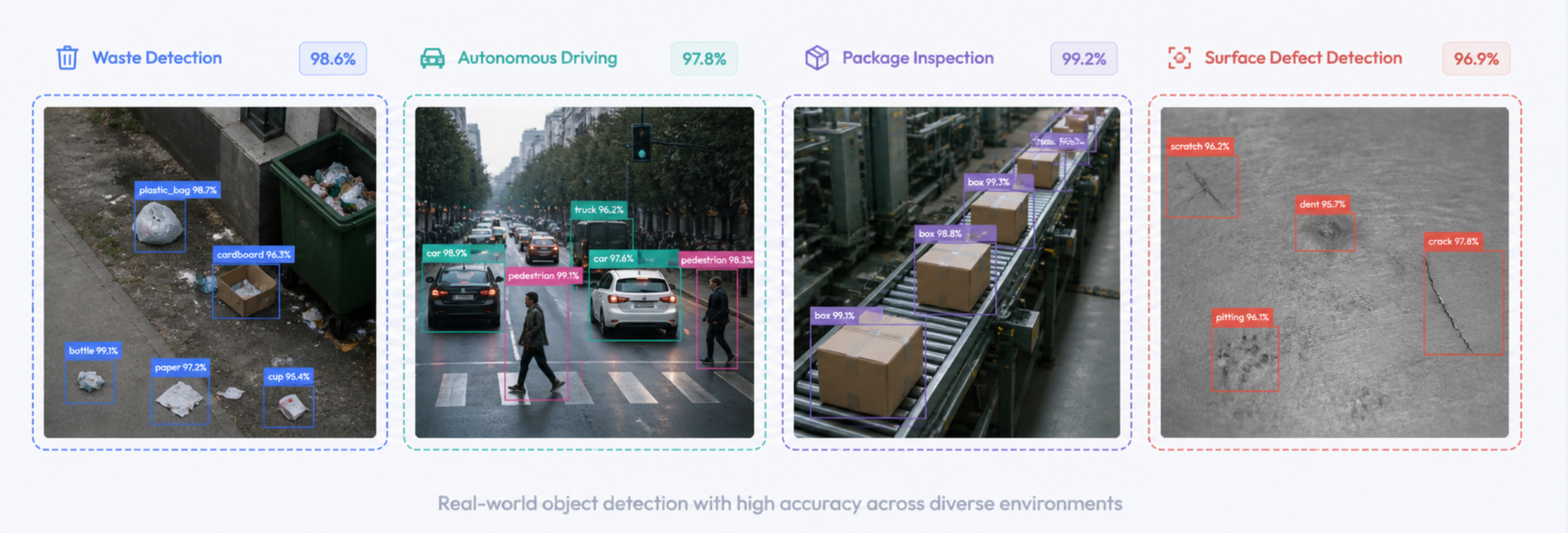
Object detection development is the foundation of most enterprise computer vision systems. We build custom detection models that identify, classify, and track objects in real-time video streams — from automotive parts on assembly lines to packages on conveyor belts to vehicles at toll plazas. Our engineers select the optimal architecture for your latency, accuracy, and hardware constraints: YOLO (v5/v7/v8/v9) for real-time object detection where speed is critical, Detectron2 and Mask R-CNN for instance segmentation where pixel-level precision matters, and custom lightweight models optimized with TensorRT for edge deployment on NVIDIA Jetson Orin or Qualcomm SNPE platforms.
What separates our object detection development from competitors: we do not stop at detection. We build the full pipeline — camera selection and placement optimization, lighting analysis, data collection and annotation strategy, model training with production-representative data, inference optimization, integration with your MES/ERP/SCADA systems, alerting logic, and continuous model monitoring with automated retraining triggers. A detection model that works in the lab but fails when sunlight hits the lens at 4 PM is not a solution. We engineer for the 4 PM sunlight.

Automated Visual Inspection & Defect Detection
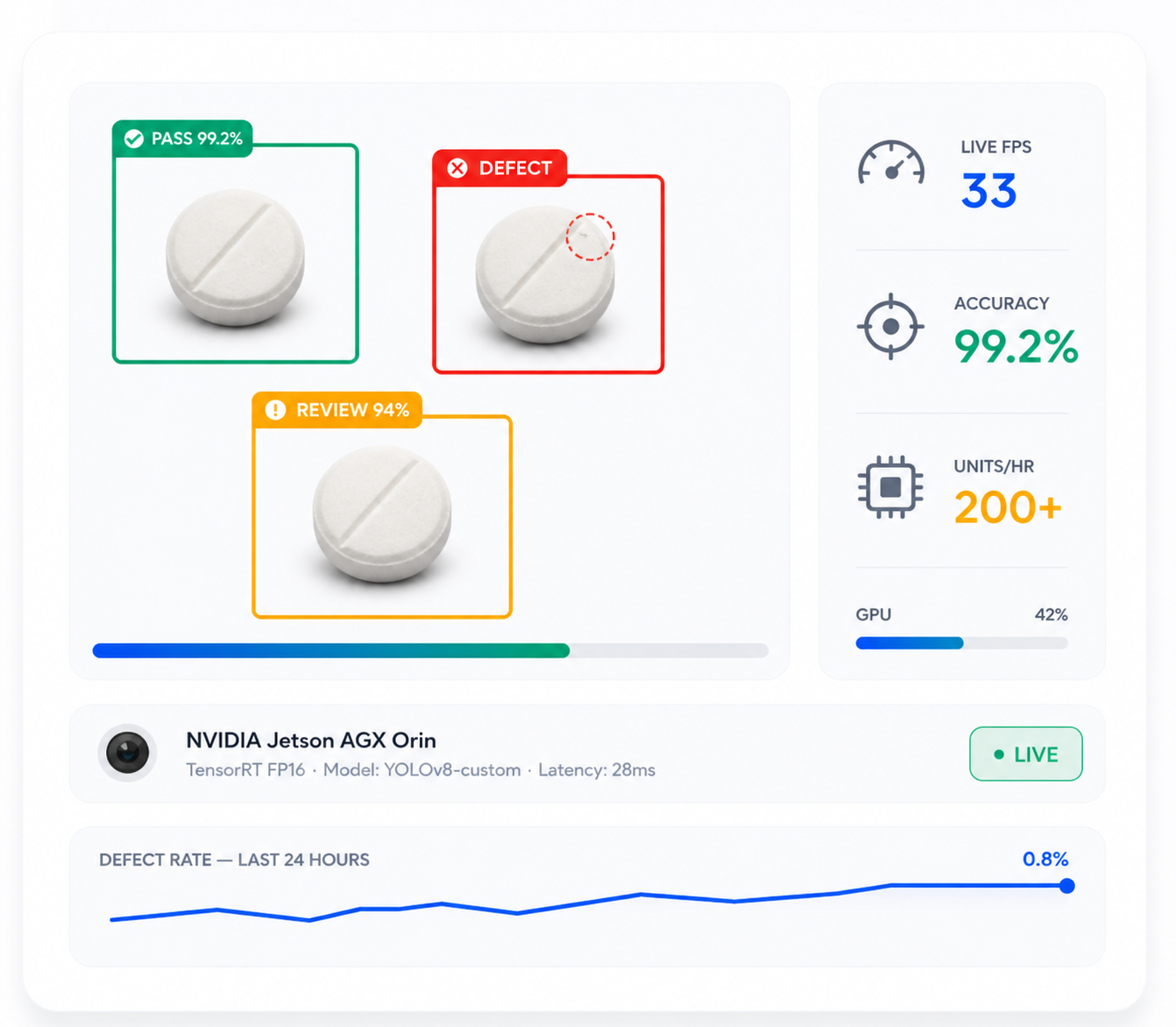
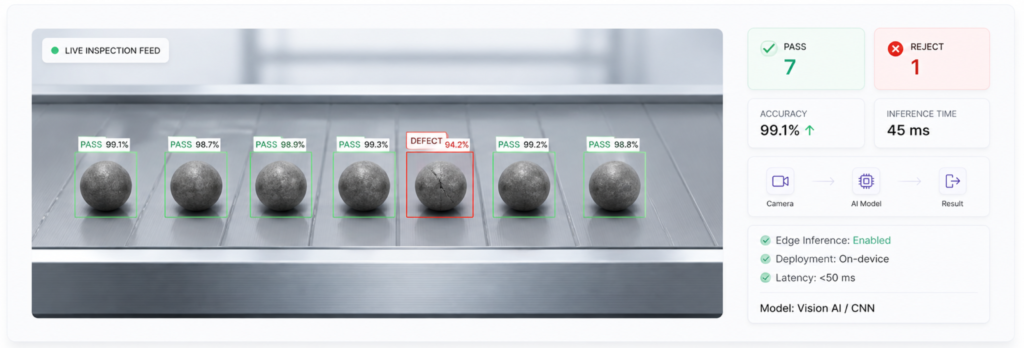
Automated visual inspection AI is the highest-ROI application of computer vision in manufacturing. Human inspectors catch 80% of defects on a good day. Our AI quality inspection services achieve 95-99% detection accuracy, operating continuously without fatigue, attention drift, or shift changes. We have deployed computer vision defect detection systems across automotive manufacturing (weld spatter, paint defects, assembly verification), tire manufacturing (surface defects at 200+ units/hour), pharmaceutical packaging (label verification, fill-level inspection, tamper detection), electronics (PCB solder joint inspection, component placement verification), and food and beverage production (contamination detection, packaging integrity).
Our approach to AI quality inspection services goes beyond training a model on defect images. We engineer the complete inspection station: camera type and resolution selection (area scan vs line scan, monochrome vs color, 2D vs 3D), lighting design (backlighting, structured light, dome illumination — because lighting determines 70% of inspection accuracy), edge computing hardware selection and optimization, integration with reject mechanisms (pneumatic diverters, robotic arms), and feedback loops to upstream process controls. When our system detects a recurring defect pattern, it does not just flag bad parts — it signals the root cause to your process engineers before the defect rate escalates.

3D Reconstruction, Depth Sensing & Spatial Intelligence
Not every computer vision problem can be solved with a 2D camera. When you need to measure volume, detect surface curvature, navigate physical spaces, or build digital twins of real-world environments, you need depth — and depth sensing AI solutions are one of our deepest areas of expertise. We have hands-on production experience with Intel RealSense depth cameras (D400 series for structured-light depth, L500 series for LiDAR), Stereolabs ZED 2i stereo cameras (for outdoor depth mapping up to 20 meters), Ouster OS series LiDAR sensors (for high-resolution 3D point cloud capture), and time-of-flight sensors for close-range precision measurement.
Our 3D reconstruction AI capabilities include multi-view stereo reconstruction from RGB images, real-time point cloud processing and segmentation from LiDAR data, stereo vision development for custom depth estimation on embedded platforms, volumetric measurement systems for logistics (package dimensioning, bin fill-level monitoring), surface topology mapping for quality inspection (detecting warping, curvature deviations, dimensional tolerances), and spatial mapping for robotic navigation and autonomous systems. We process LiDAR point cloud data using Open3D, PCL (Point Cloud Library), and custom CUDA-accelerated pipelines, delivering sub-millimeter accuracy where your application demands it.
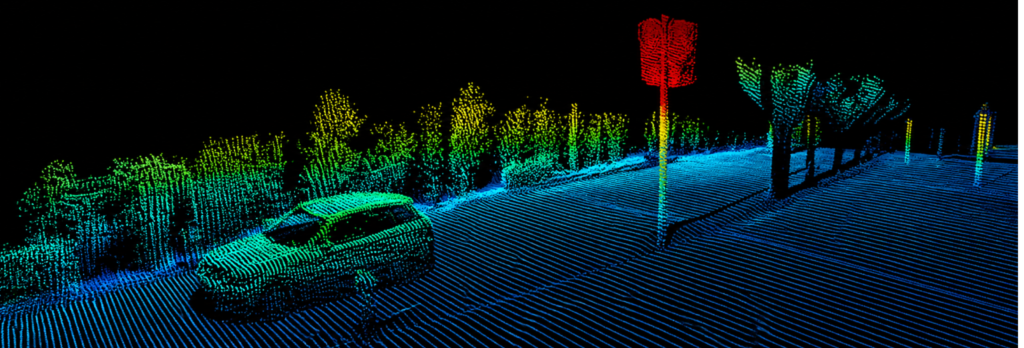

Image Recognition, Classification & AI Image Analysis
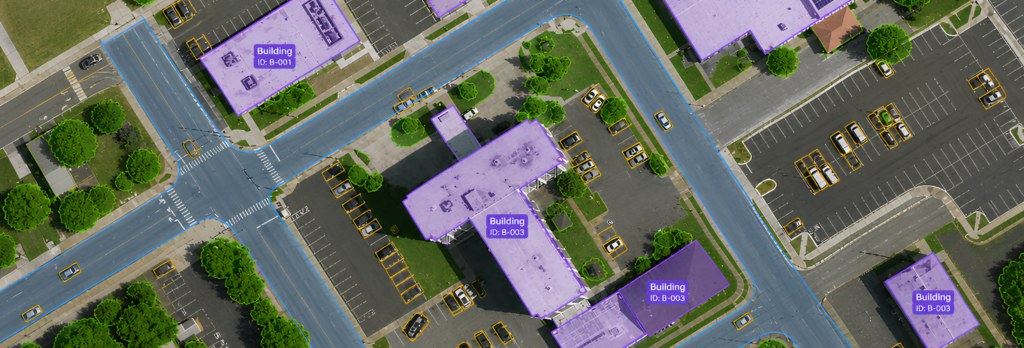
Our image recognition AI services cover the full range of visual classification tasks enterprise systems require: multi-class image classification for product categorization and sorting, fine-grained recognition where visual differences between classes are subtle, optical character recognition (OCR) and intelligent character recognition (ICR) for document digitization, medical image analysis for radiology, pathology, and dermatology applications, satellite and aerial image analysis for infrastructure monitoring, and facial attribute analysis for access control and demographic analytics (privacy-compliant, never storing biometric data).
Our AI image analysis services go beyond basic classification. We build systems that explain their decisions — providing attention maps, confidence scores, and uncertainty estimates that your domain experts can verify and trust. In regulated industries like healthcare and financial services, black-box predictions are not acceptable. Our computer vision solutions include explainability layers that satisfy both your data scientists and your compliance officers.

Digital Twin Development & Synthetic Data Generation
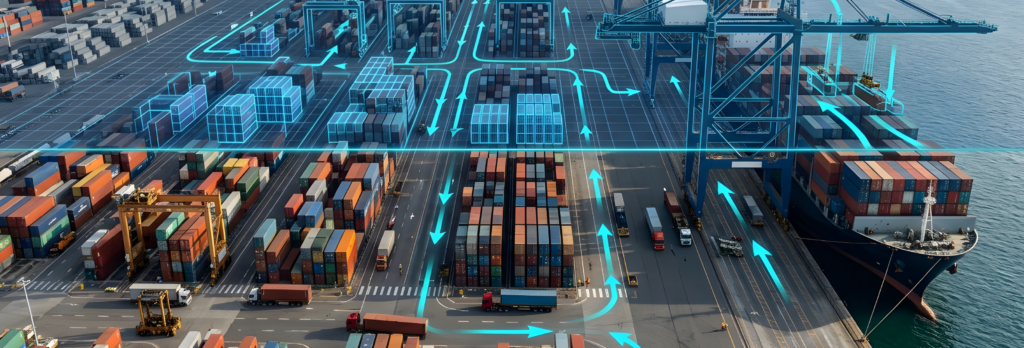
Digital twin AI development merges computer vision with simulation to create virtual replicas of physical environments, assets, and processes. We build digital twin systems that use real-time camera feeds to maintain a synchronized virtual model of your factory floor, warehouse, construction site, or infrastructure network. Changes in the physical world — a new pallet placed in a warehouse aisle, a crane repositioned on a construction site, a conveyor belt speed change — are detected through computer vision and reflected in the digital twin within seconds.
The real power of digital twins emerges when you combine them with AI simulation and synthetic data generation. Training a defect detection model requires thousands of labeled defect images — but in early-stage manufacturing, you may have only dozens of real defects to photograph. We solve this through synthetic data pipelines: using physics-based rendering engines (NVIDIA Omniverse, Blender with domain randomization) to generate photorealistic training images with automatic ground-truth labels. Our AI simulation and synthetic data pipelines have reduced data collection timelines from months to days while improving model robustness against real-world variability in lighting, orientation, and surface texture.
- Technology
Our Computer Vision Technology Stack
Our neural network development services are backed by a technology stack selected for your specific requirements — latency budget, accuracy threshold, environment constraints, and integration needs. We do not use a single framework for every project.
- Our Architecture
Depployment Architecture
On-Device Inference
Edge Deployment
For latency-critical applications — factory inspection at line speed, construction safety alerts, vehicle-mounted cameras, drones. We deploy optimized models on NVIDIA Jetson (Nano, Orin, AGX), Qualcomm SNPE SDK for mobile/IoT, Intel OpenVINO for industrial PCs, and Rockwell/Kneron chipsets. Models are optimized through TensorRT quantization (FP16/INT8), pruning, and layer fusion — typically achieving 3-10x inference speedup with less than 1% accuracy loss. Production systems process 30+ FPS on NVIDIA Jetson Orin with multiple concurrent detection models.
Scalable Inference
Cloud Deployment
For applications where latency tolerance is higher but scale is massive — processing thousands of images from distributed retail locations, analyzing satellite imagery, running batch medical image analysis. We deploy on NVIDIA Triton Inference Server with auto-scaling on AWS, Azure, or GCP. Triton handles model versioning, A/B testing, dynamic batching, and GPU memory management, ensuring your inference costs scale linearly with demand.

Best of Both
Hybrid Deployment
Most enterprise deployments are hybrid. Edge devices handle real-time inference and immediate decisions (pass/fail, alert/no-alert), while cloud systems handle model retraining, performance monitoring, analytics dashboards, and historical trend analysis. We architect the full pipeline: edge inference → local storage → cloud sync → model monitoring → automated retraining → updated model push to edge fleet. This closed-loop architecture ensures your system gets better over time.
Technically convinced? Book a free 30-minute computer vision feasibility assessment — we'll evaluate your data, environment, and ROI potential.
- Industries
Industries Where Our CV Solutions Deliver ROI
Strongest Domain
Automated visual inspection for tire defect detection (200+ tires/hour, 99.2% accuracy on NVIDIA Jetson), surface defect detection on metal castings, assembly verification, PCB solder joint inspection, packaging integrity, and worker safety monitoring (PPE detection, exclusion zone enforcement). Systems integrate with existing MES and ERP platforms.
Real-time safety monitoring (PPE detection, exclusion zones, fall hazard detection), progress tracking from drone and fixed camera feeds, AI-powered plan review and document analysis (70% reduction in civil plan approval time), structural health monitoring, and equipment tracking. Systems deploy on rugged edge hardware for dust, rain, and extreme temperatures.
Medical imaging analysis (radiology, pathology, dermatology), clinical documentation automation, pharmaceutical quality assurance (GMP-compliant inspection systems), and medical device development (FDA 510(k) pathway). Every healthcare CV system is built with HIPAA compliance, data anonymization, and audit trail requirements from day one.
Automated inventory counting, package damage detection, barcode and label reading, warehouse safety monitoring (forklift proximity alerts, loading dock safety), and fleet dashcam analytics via video analytics. Our logistics CV systems handle the visual chaos of real warehouse environments — cluttered backgrounds, variable lighting, damaged labels, overlapping packages.
Identity verification (liveness detection for KYC onboarding), check and document fraud detection, insurance claim damage assessment from photographs (auto, property, crop damage), and physical branch analytics. Systems integrate with existing compliance and audit infrastructure.
- Our Process
How We Deliver Computer Vision Projects
Every computer vision consulting engagement follows our production-proven methodology — designed to get you from concept to deployed system in the shortest path with the lowest risk.

Ongoing: Monitoring & Improvement
Model performance monitoring with automated drift detection, scheduled retraining on new production data, expansion to additional camera positions, product lines, or facilities. Our systems get smarter over time because we build the feedback loop into the architecture.
Ready to build computer vision that actually works in production?
- Proven Results
Computer Vision Projects We Have Delivered
Manufacturing
85% Faster Defect Detection in Tire Manufacturing
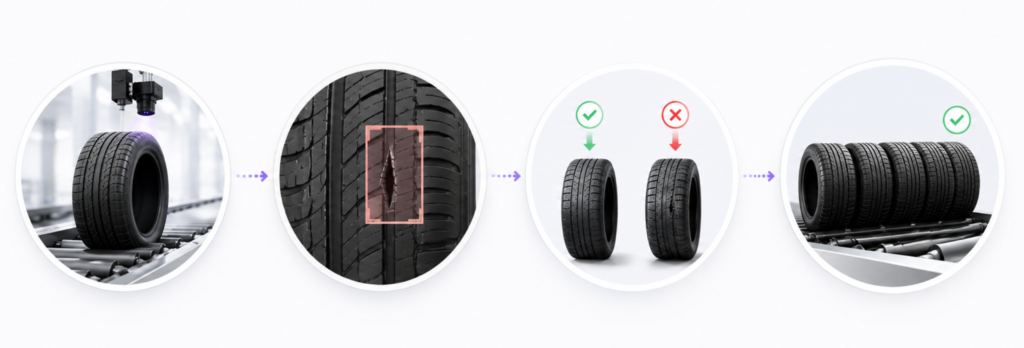
Deployed YOLO-based real-time defect detection on NVIDIA Jetson at a tire manufacturing facility. The system processes 200+ tires per hour, identifying surface defects (cuts, bulges, foreign material inclusions). Edge deployment eliminates cloud latency — reject decisions execute in under 50ms.
Manual QC
99.2%
Detection accuracy
Construction
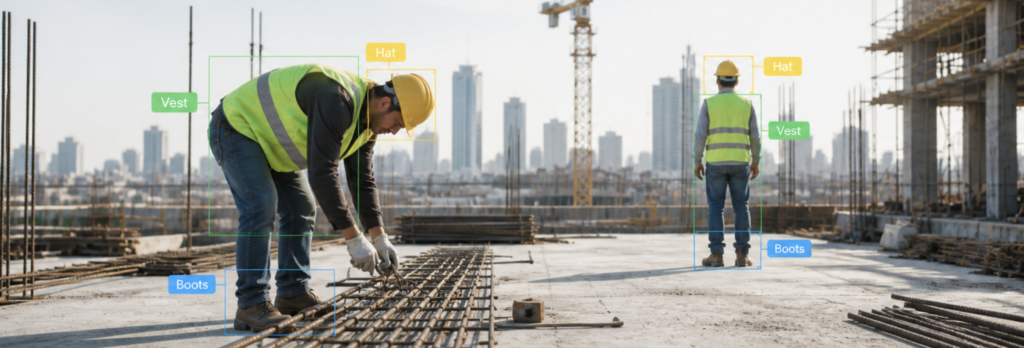
60% Reduction in Safety Violations via Real-Time PPE Monitoring
Multi-camera PPE detection system for construction sites covering hard hats, safety vests, safety boots, and exclusion zone enforcement. Processes 16 camera feeds simultaneously on a single edge server.
Manual monitoring
60%
Fewer violations
Civil Infrastructure
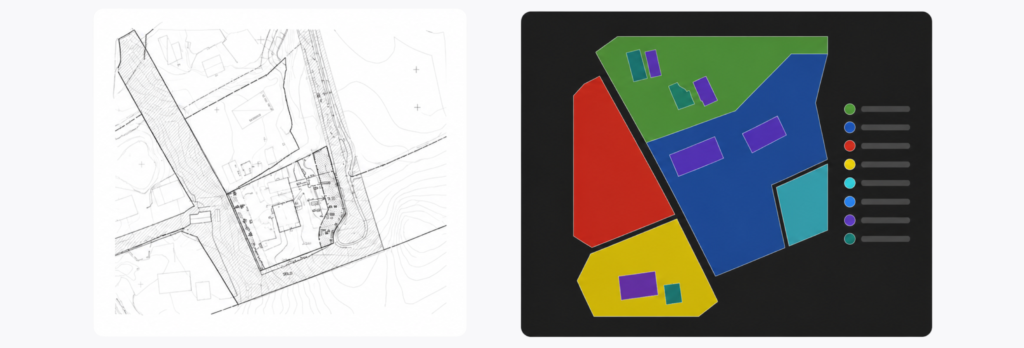
70% Reduction in Plan Approval Time
AI-powered document analysis for a major infrastructure firm. Computer vision + NLP pipeline extracts structured data from engineering drawings, cross-references against compliance requirements, and flags deviations automatically.
3 weeks
4 days
Approval time
Transportation
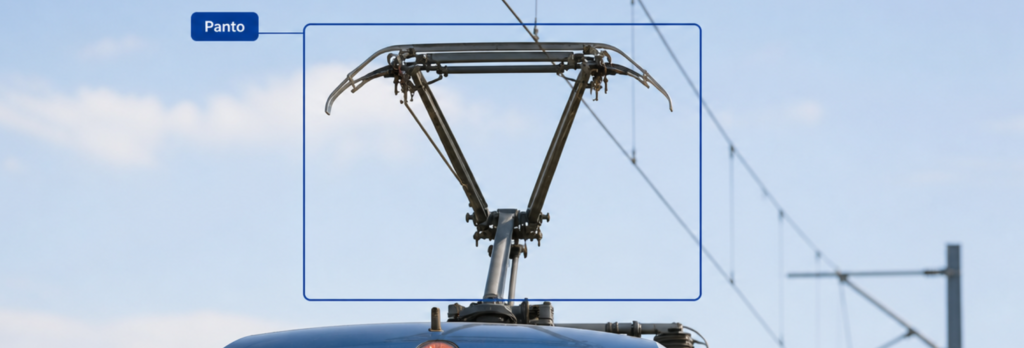
Automated Track Inspection at 60+ km/h
Computer vision system on rail-mounted cameras detecting rail surface defects, fastener anomalies, and clearance violations. LiDAR point cloud processing provides millimeter-precision measurement of track geometry.
Manual inspection
60+ km/h
Inspection speed
Transportation
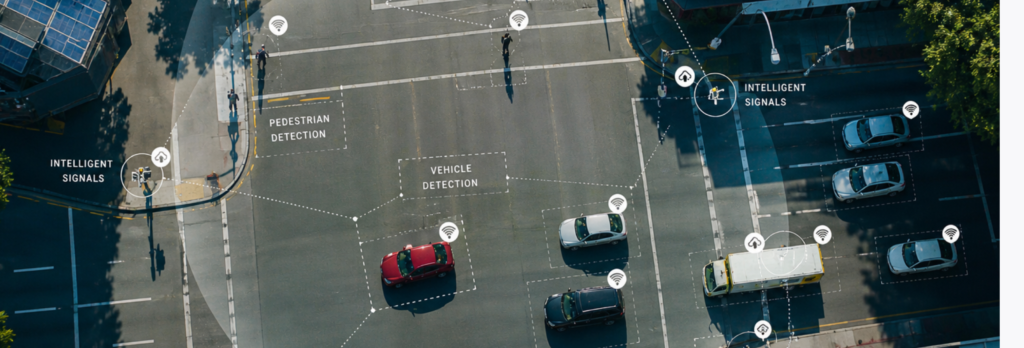
Intelligent Vehicle Detection & Traffic Analytics
Real-time vehicle detection, classification, license plate recognition, and traffic flow analysis deployed across multiple intersections processing 24/7 video feeds. Accuracy exceeds 97% across day/night/rain conditions.
Manual counting
97%+
Accuracy (all conditions)
Want similar results for your enterprise?
- Honest Comparison
Build In-House vs. Freelancer vs. Brainy Neurals
Enterprise teams evaluating computer vision development have three options. Here is an honest comparison.
- Why Us
Why Enterprise Teams Choose Brainy Neurals for Computer Vision
Founded on Computer Vision — Not Added as an Afterthought
Any developer can pip install langchain and build a RAG demo in an afternoon. Making that demo work reliably at enterprise scale — with 50,000 documents, 47 formats, multi-tenant access controls, sub-3-second latency, and compliance audit trails — is an engineering challenge that requires production AI experience. Brainy Neurals has been building production AI systems since 2018 across 70+ projects. We understand the failure modes that tutorials do not cover: embedding drift, retrieval degradation, context window overflow, and the “needle in a haystack” problem.

NVIDIA Certified AI Architect — Founder-Led Technical Authority
Brainy Neurals is founded and led by Mitesh Patel, an NVIDIA Certified AI Architect with 8+ years of production experience in computer vision, edge AI, and deep learning optimization. Mitesh personally architects every client engagement, selects model architectures, designs deployment strategies, and reviews production system performance. This is not a certification held by a junior engineer — it is held by the person who signs off on every system that ships. Mitesh also maintains an individual Upwork Top Rated Plus profile with a verified track record of enterprise AI delivery, meaning both the company and its founder have independently earned the highest trust ratings.
Hardware Expertise That Cannot Be Faked
We have deployed production computer vision systems on NVIDIA Jetson Nano, Orin, and AGX. We have built inference pipelines using Qualcomm SNPE SDK for mobile devices. We have integrated Intel RealSense depth cameras, Stereolabs ZED 2i stereo cameras, and Ouster LiDAR sensors into custom solutions that operate 24/7 in industrial environments. We have optimized models with TensorRT, ONNX Runtime, and Intel OpenVINO across all three frameworks. Most competitors list these technologies on their website without ever having connected a RealSense camera to a Jetson. We have the deployment logs, the performance benchmarks, the thermal management data, and the production uptime metrics to prove every claim on this page.

Backed by AWS, Microsoft & NVIDIA — Triple Cloud Ecosystem
Brainy Neurals is simultaneously a member of the AWS Activate Startup Ecosystem, the Microsoft for Startups program, and the NVIDIA Inception programme. All three major AI infrastructure providers have independently vetted and accepted us. We deploy computer vision systems on AWS, Azure, or NVIDIA infrastructure — optimized for your existing cloud environment.
ISO 27001 Certified — Your Visual Data Is Protected
Computer vision systems process the most sensitive visual data in any organization — factory floor footage showing proprietary processes, medical images containing patient health information, financial documents with personally identifiable information. Our ISO 27001 certification ensures information security management meets international standards at every stage of development, deployment, and operation. Combined with our full IP ownership policy (you own every line of code, every trained model, every piece of data), your computer vision investment is protected both legally and technically.

US Market Credibility
Our leadership team brings direct experience from globally recognized, large-scale enterprise environments where technology procurement is rigorous, timelines are non-negotiable, and vendor accountability is absolute. We understand how US enterprises evaluate technology partners because we have sat on the buyer side of that table. We operate during EST and GMT business hours with daily standups, weekly demos, and under 4-hour response times on dedicated communication channels.
Download: Computer Vision Feasibility Checklist
The same framework we use to scope 70+ enterprise CV projects — camera requirements, lighting assessment, data volume checklist, edge vs cloud decision tree, accuracy expectations, and budget range calculator. Free, no strings.
- FAQ
Frequently Asked Questions About CV Development
What are computer vision development services?
Computer vision development services encompass the design, training, deployment, and optimization of AI systems that interpret visual data from cameras, sensors, and images. These services include object detection and recognition, automated visual inspection for manufacturing quality control, image classification and segmentation, 3D reconstruction from depth sensors and LiDAR, video analytics for surveillance and monitoring, and optical character recognition for document processing. A specialized computer vision company like Brainy Neurals delivers these capabilities as production-grade systems integrated into enterprise workflows — not as standalone demos or proof-of-concepts that never reach production.
How accurate is AI-powered visual inspection compared to human inspection?
AI-powered automated visual inspection achieves 95-99% defect detection accuracy in live production environments, according to peer-reviewed research covering more than 50 implementations. Human inspectors typically achieve 80% accuracy on a good day, with performance degrading significantly during long shifts, repetitive tasks, and night work. More importantly, AI inspection is consistent — it does not experience fatigue, attention drift, or subjective judgment variation between inspectors. The key to achieving high accuracy is not just the model architecture but the complete inspection system: camera selection, lighting design, data quality, and integration with production line mechanics.
How long does it take to build a custom computer vision system?
A typical computer vision proof of concept takes 4-6 weeks, including data collection strategy, model training, and initial accuracy benchmarking on your real data. Full production deployment ranges from 8-12 weeks depending on complexity, number of camera positions, edge hardware requirements, and integration depth with existing systems. Our Discovery phase (1-2 weeks) gives you a detailed feasibility assessment, timeline, cost estimate, and expected accuracy range before you commit to full development.
What hardware do you use for edge deployment of computer vision models?
We deploy computer vision models on NVIDIA Jetson (Nano for cost-sensitive applications, Orin for high-throughput multi-camera systems, AGX for complex multi-model inference), Qualcomm SNPE-powered devices for mobile and IoT deployments, Intel OpenVINO-optimized industrial PCs, and custom hardware platforms using Rockwell and Kneron chipsets. Every model is optimized using TensorRT quantization (FP16 and INT8), pruning, and layer fusion to achieve maximum inference speed with minimal accuracy loss. Our production edge systems typically process 30+ frames per second on NVIDIA Jetson Orin.
What industries benefit most from computer vision solutions?
The industries with the highest proven ROI from computer vision solutions include manufacturing (quality inspection, predictive maintenance, worker safety — the AI in manufacturing market is $12.35B in 2026 growing at 42% CAGR), construction and infrastructure (safety monitoring, progress tracking, plan review automation), healthcare (medical imaging, pharmaceutical QA, clinical documentation), logistics and warehousing (inventory counting, package inspection, safety monitoring), and banking and insurance (document processing, fraud detection, damage assessment). Brainy Neurals has delivered production computer vision systems across all five of these verticals.
What is a digital twin and how does computer vision enable it?
A digital twin is a virtual replica of a physical environment, asset, or process that stays synchronized with reality through real-time data feeds. Computer vision enables digital twins by providing the visual intelligence layer — cameras and depth sensors continuously capture the physical world, and AI models interpret what they see to update the virtual model. Digital twin AI development combines computer vision with simulation, enabling organizations to test scenarios, predict failures, optimize layouts, and train AI models using synthetic data generated from the digital twin. This is particularly valuable in manufacturing, where digital twins of production lines enable process optimization without disrupting actual production.
What is the difference between machine vision and computer vision?
Machine vision systems use fixed cameras with rule-based algorithms for specific industrial inspection tasks — they excel at consistent, high-speed, single-purpose inspection under controlled conditions. Computer vision uses deep learning models that can learn from data, generalize across variations, and handle complex visual tasks that rule-based systems cannot. Modern computer vision development services combine both: using classical machine vision techniques for preprocessing and controlled imaging, and deep learning models for the intelligent interpretation layer. For enterprise applications, the trend is strongly toward deep learning-based computer vision because it adapts to new defect types, product variations, and environmental changes without manual rule engineering.
- Explore More
Related Services & Pages
Video Analytics & Intelligent Surveillance
Our computer vision technology powers real-time video analytics systems for retail, traffic, warehouse, and security applications.
Edge AI & Embedded AI Development
Deploy computer vision models on NVIDIA Jetson, Qualcomm SNPE, and Intel OpenVINO for real-time inference at the edge.
AI Proof of Concept & Pilot Development
Validate your computer vision idea in 4-6 weeks with a working proof of concept built on your real data.
Document AI & Intelligent Document Processing
Our document vision capabilities extract structured data from invoices, contracts, engineering drawings, and medical records.
AI Consulting & Strategy
AI in Manufacturing
See how our computer vision solutions power quality inspection, predictive maintenance, and safety monitoring in manufacturing.
AI in Construction
See how our computer vision systems enable safety monitoring, progress tracking, and plan review automation on construction sites.
- Let’s Build AI for Your Everyday Challenges
Among the Top 3% of Global AI Professionals.
50+
9+
- We respond within 24 hours
Or email: hello@brainyneurals.com